
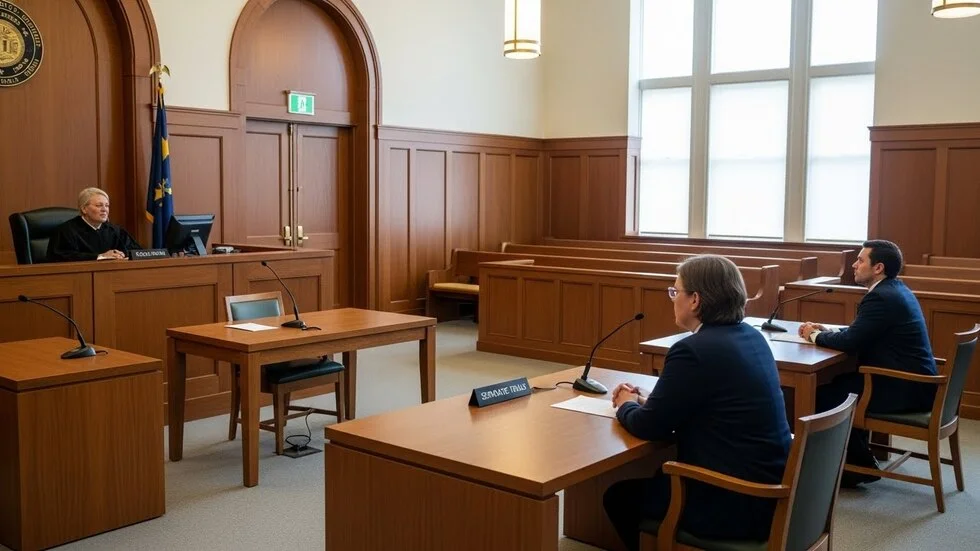
Cases of domestic abuse have major implications. They affect families, careers, housing and personal freedom. They also have safety issues that require rapid response. Kansas City courts try to help persons who are at risk. They must respect the legal rights of any person accused of a crime. That balance is important. Justice works when both goals are equally cared for. If you or someone you love confronts a domestic abuse case, it helps to know how the court process works. A thorough knowledge can alleviate tension and help you make smart choices.
A Court Built for Sensitive Cases
Domestic violence courts handle matters involving family members, spouses, dating partners, past partners and persons who live together. These courts address more than criminal charges. They often address safety strategies, protection orders, and family issues. Judges, prosecutors and court officials are trained to help them detect the particular challenges presented in these cases. They know how emotions may run high. Fear, rage and perplexity can all occur at the same time. What’s the goal? Simple. Protect victims, and ensure every defendant receives a due process of law.
Victim Protection – Top Priority
The safety of the court is the first concern after an arrest. The judge might make temporary orders that limit contact between the accused and the alleged victim. These orders can block phone calls, messages, visits or other communications. Often the court will also order the defendant to vacate the joint house. It may seem like a quick move, but it can reduce the chances of more fighting. Local support agencies may also be able to help victims. These groups tend to offer:
- Safety Plans
- Shelter emergency
- Psychotherapy
- Court advocacy
- Assistance with Protective Orders
These services help the victims to be focused on recovery while the legal process takes place.
Fairness Still Counts
Some individuals think an arrest means you are guilty. It does. The defendants have legal rights that are maintained over the course of the litigation. These rights include:
- The right to keep silent
- The right to legal assistance
- The right to examine evidence
- The right to confront witnesses
- The right to a fair hearing
- Right to appeal certain decisions
That’s an important aspect of the judicial system. The courts do not establish guilt by charges alone. The prosecutor must prove each charge beyond a reasonable doubt. That standard is protection for us all.
What happens when you are arrested?
There are various steps in the legal process. Every stage has its function. The arrest comes first. If police believe there is enough evidence that a crime has been committed, they can make an arrest. Soon after, the defendant is brought before a court. This hearing may include conditions of bail and temporary no contact restrictions. Then the prosecutor evaluates police reports, witness testimony, photographs, videos, medical records and other evidence. The sides share information as the case progresses. Lawyers can discuss prospective plea bargains or prepare for trial. If no settlement is made, the case is heard by a judge or jury. They look at the evidence and make their minds up. It may seem like a long way to go. Sometimes it is. But cautious review helps avoid errors.
Protective Orders and What They Do
Protective orders are a big part of many domestic violence proceedings. These court orders might stop parties from contacting each other. Some orders also ban the possession of guns or demand a particular distance from the victim’s home, school or job. If you violate a protection order, you could face fresh criminal charges. People sometimes mix up protection orders with criminal convictions. They are not identical. A protective order is designed to decrease risk in the legal process.
Evidence Has Substance
One piece of evidence seldom ever works in domestic violence trials. What judges and juries may consider:
- Police records
- Medical files
- Witness evidence
- Pictures
- Text message
- Email *
- Social Media updates:
- Telephone logs
- Body camera video
Sometimes the cases have conflicting stories. Every piece of evidence is carefully looked over before a final conclusion is made. It’s the little things that can count.
The Human Side of the Process
There are genuine persons involved in court cases. Victims often face anxiety and uncertainty. Defendants can be judged by the public before their case is over. Kids can experience the repercussions too, when family members go through the legal system. And ya know what? Part of the reason courts like to provide support services when they can is the emotional toll. Counselors, victim advocates and expert lawyers all have various purposes. They assist folks understand each step together instead of alone.
Why Having a Lawyer is Important
Accusations of domestic violence should never be taken lightly. The defense lawyer protects the rights of the accused, examines the evidence, questions witnesses, and formulates a legal strategy based on the facts. Legal assistance can also help victims understand what to expect in the court process. Attorneys and victim advocates describe hearings, protective orders and legal choices. Good legal counsel does not guarantee a particular outcome. It allows people to make an informed choice during a difficult moment.
The Balance Between Safety and Justice
The domestic violence courts in Kansas City have two aims that must work in tandem. Victims deserve to be protected from injury. Defendants are entitled to a fair hearing before any finding of guilt. It’s not always simple to balance that. Cases frequently have strong emotions and complex facts. But the court system does have standards designed to protect both public safety and constitutional rights. Knowing such rules helps everyone involved navigate the process with more confidence.
Questions & Answers
1. What constitutes domestic violence in Kansas City?
Domestic violence generally includes assault, threats, stalking, harassment or other hurtful behaviors between family members, spouses, past partners, dating partners or anyone living in the same household. The specific charges differ based on the facts of each case.
2. Can a victim withdraw charges for domestic violence?
Not necessarily. The criminal case may be continued by the prosecutors. The prosecution can proceed even if the victim wishes to drop the case, if there is sufficient evidence.
3. What happens if someone breaks a protective order?
Violating a court-issued protective order can result in arrest, new criminal charges, and fines or jail time. “The courts treat these violations very seriously because public safety is a factor.”
4. Not all domestic abuse cases go to trial.
No. Many cases conclude in plea bargains, dismissals or other legal remedies. If the parties are unable to agree, the case may go to trial.
5. Why do I need to employ a domestic violence attorney?
An attorney explains the law, safeguards the legal rights, evaluates the evidence, prepares court files, negotiates where appropriate, and advocates the interests of the client throughout the legal process. Getting legal guidance early can help you avoid expensive blunders.