
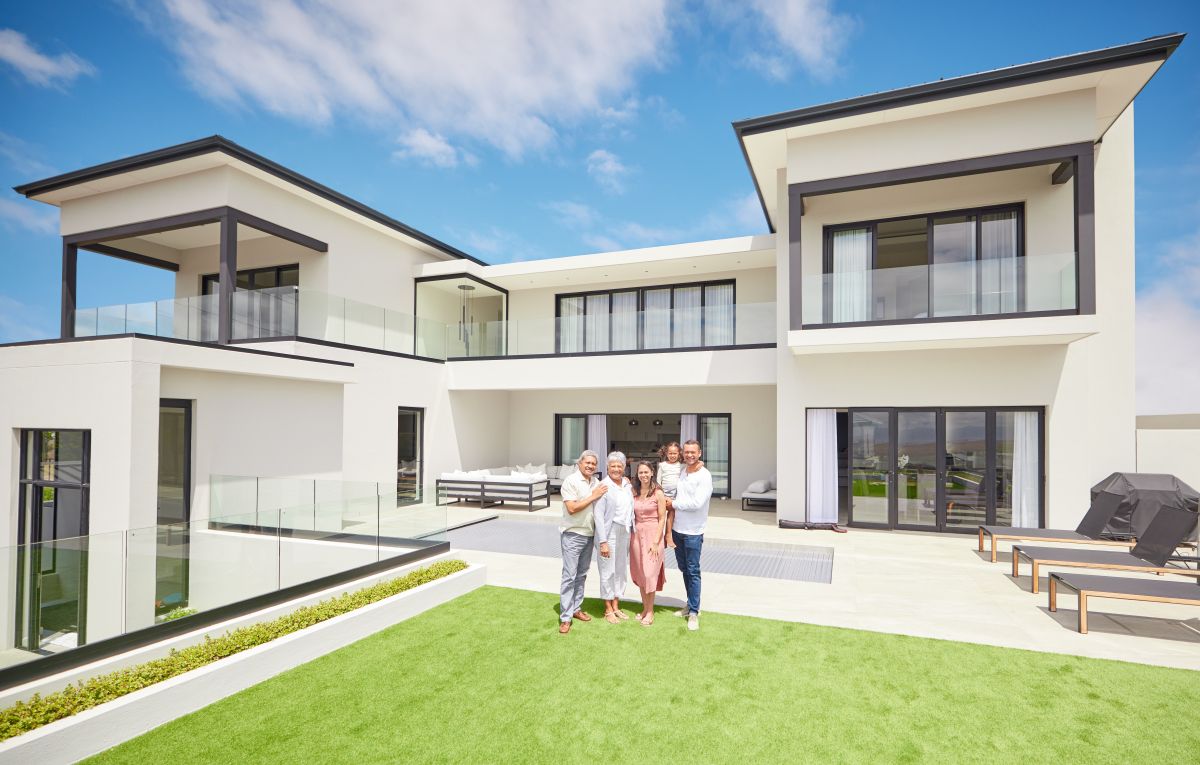
Designing a home that supports multiple generations under one roof requires thoughtful planning, flexible spaces, and attention to comfort. Families today often prefer living arrangements that bring grandparents, parents, and children together while maintaining privacy and independence for each household member.
Understanding Multi-Generational Living
Multi-generational living blends family connection with practical design. It allows shared experiences, caregiving, and financial advantages while offering personal space for every age group. Skilled professionals, such as home builders in Atlanta, focus on creating homes that accommodate these diverse needs with comfort and functionality.
Key Principles of Multi-Generational Design
Creating a home for multiple generations involves more than adding extra bedrooms. It requires a layout that fosters togetherness and respects privacy. Builders use careful planning to ensure every space serves a meaningful purpose.
- Private suites or guest wings for older parents or adult children
- Open common areas for family gatherings and shared meals
- Accessible features such as wider doorways and step-free entries
- Soundproofing between living zones to maintain tranquility
- Outdoor spaces that encourage social interaction
Balancing Shared and Private Spaces
Modern designs emphasize flexible layouts. A separate living suite with a mini kitchen or bathroom helps older relatives maintain independence. Meanwhile, shared living rooms and kitchens become central gathering areas. Builders often use transitional spaces, like covered patios or sunrooms, to connect different sections of the home harmoniously.
Incorporating Accessibility and Comfort
Accessibility is a key factor in multi-generational homes. Features such as non-slip flooring, lever-style handles, and curbless showers enhance safety and convenience. A luxury home builder may also integrate smart home technology to assist elderly family members with lighting, temperature control, and security.
Flexible Floor Plans and Future-Proofing
Homes designed for multiple generations must adapt as family needs evolve. Builders often include convertible rooms that can serve as offices, playrooms, or additional bedrooms. Some homeowners choose unfinished basement areas or above-garage apartments to accommodate future changes without major renovations.
Energy Efficiency and Cost Sharing
Energy-efficient design benefits every generation by reducing utility costs and environmental impact. Shared resources, such as solar panels or centralized climate systems, make large homes more sustainable. Builders also incorporate insulation and zoning systems to ensure comfort throughout different areas of the home.
Community and Connection
Beyond the physical design, multi-generational homes foster stronger family bonds. They encourage support networks where family members can share responsibilities and enjoy daily life together. The thoughtful approach taken by skilled builders ensures that each generation feels equally valued within the shared home environment.
Designing for Long-Term Harmony
Homes built for multi-generational living reflect both tradition and innovation. They combine open, welcoming spaces with private retreats that honor individual needs. With careful planning and attention to detail, these homes promote lasting comfort, independence, and togetherness for every member of the family.