
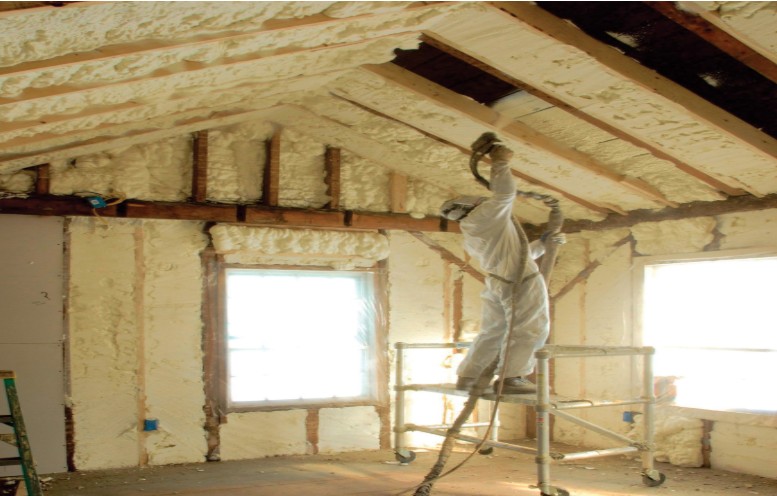
Poorly installed insulation can cost homeowners more than they expect. It may look fine from the outside, but small gaps, uneven coverage, or the wrong material can affect comfort, energy use, and the condition of the home.
Many insulation problems stay hidden for months or even years. By the time homeowners notice cold rooms, higher bills, or moisture issues, the problem may already require extra repairs.
Higher Energy Bills
Insulation is meant to slow heat movement. When it is installed incorrectly, warm air can escape in winter, and outdoor heat can enter during summer. This makes heating and cooling systems work harder.
A poorly insulated home may still feel uncomfortable even when the thermostat is adjusted. The result is often more energy use without better comfort.
Uneven Room Temperatures
One of the most common signs of poor installation is uneven temperature from room to room. Some areas may feel cold, drafty, or humid while others feel normal.
This can happen when insulation is missing around:
- Attic edges
- Basement headers
- Exterior wall cavities
- Crawl spaces
- Plumbing and electrical openings
Even a small uncovered area can make a noticeable difference, especially during extreme weather.
Moisture And Mold Risks
Insulation problems are not always about temperature. Poor installation can also trap moisture or allow air leaks that lead to condensation.
When moisture builds up behind walls, in attics, or around crawl spaces, it can damage wood, drywall, and other materials. Over time, damp insulation may also create conditions where mold and odors can develop.
Shorter HVAC Lifespan
Heating and cooling systems are designed to maintain indoor comfort, not fight constant air loss. If insulation is not doing its job, the HVAC system may run longer and more often.
This extra strain can lead to more repairs and a shorter system lifespan. Homeowners may blame the furnace or air conditioner when the real issue is hidden in the building envelope.
Costly Repairs Later
Fixing insulation after walls, ceilings, and finishes are complete is usually more expensive. Contractors may need to open finished areas, remove damaged materials, or correct moisture problems before adding new insulation.
In some cases, insulation removal may be needed if the material is wet, contaminated, compressed, or installed incorrectly. This adds labor, disposal costs, and extra time to the project.
Lower Home Comfort
A home can have insulation and still feel uncomfortable if the installation is poor. Gaps, compression, and air leaks reduce performance and make certain rooms harder to heat or cool.
This affects daily living. Bedrooms may feel too cold at night, upper floors may overheat, or basements may stay damp and chilly.
Why Professional Assessment Matters
Before adding more insulation, it helps to understand what went wrong. Homeowners often search for “insulation contractors near me” when they notice comfort issues, but the best results come from a full assessment rather than a quick patch.
A proper review can identify missing insulation, air leaks, moisture concerns, ventilation issues, and damaged materials. That makes it easier to fix the root cause rather than paying for repeated repairs.