
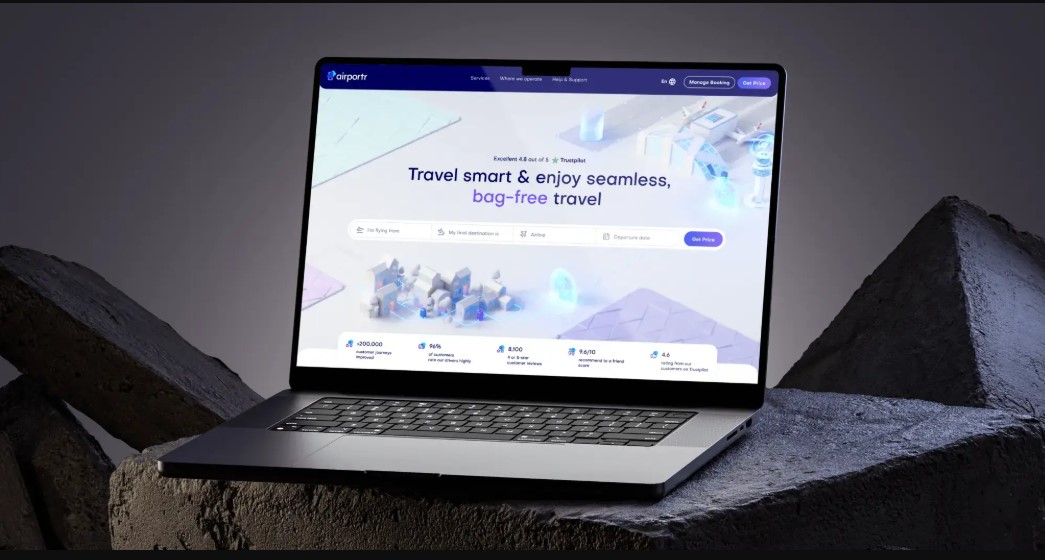
A website does not always need a complete redesign to achieve better results. Sometimes, small adjustments to its layout, navigation, content, and functionality can significantly improve how visitors interact with a business. A website that looks attractive but fails to encourage meaningful actions may be missing important design elements that influence customer decisions. By identifying these opportunities, businesses can improve engagement, strengthen credibility, and increase conversions without making major investments.
Working with a professional web designer Denver businesses can rely on helps identify design weaknesses that may be affecting website performance. Whether the goal is generating inquiries, increasing purchases, or encouraging appointment bookings, thoughtful design improvements can make the customer journey more effective.
Make the First Impression More Meaningful
Visitors often form an opinion about a website within seconds of arriving. A cluttered homepage, confusing message, or outdated appearance can discourage potential customers from exploring further.
A strong first impression begins with a clear headline that explains what the business offers and why it matters. Supporting visuals should reinforce the message rather than distract from it. Consistent colors, professional typography, and organized sections can make the website appear more credible.
Instead of overwhelming visitors with excessive information, businesses should prioritize the details that help customers understand their services immediately.
Improve Call to Action Button Placement
A call to action guides visitors toward completing a desired activity, such as requesting a quote, scheduling a consultation, or making a purchase. Even minor changes to button placement and wording can influence conversion rates.
Buttons should be easy to identify without interrupting the browsing experience. Using action-oriented phrases such as “Request Your Free Estimate” or “Schedule a Consultation” provides greater clarity than generic wording.
Placing important buttons near relevant information also makes the next step feel natural. Businesses can experiment with different positions, colors, and messages to determine which combinations encourage more engagement.
Simplify Website Navigation
Complicated navigation creates unnecessary obstacles between visitors and the information they need. When customers struggle to locate services, pricing, or contact details, they may leave before taking action.
A well-organized navigation menu should contain clear categories and straightforward labels. Important pages must remain accessible without requiring excessive clicks.
For businesses offering multiple services, grouping related information into logical sections helps visitors explore their options comfortably. A simplified menu also improves the overall browsing experience across desktop and mobile devices.
Reduce Friction in Contact Forms
Contact forms play an important role in lead generation, yet lengthy forms can discourage potential customers from submitting inquiries. Asking for too much information before establishing trust may create hesitation.
Businesses should focus on collecting only the details necessary for an initial conversation. Fields such as name, email address, and a short message are often sufficient for basic inquiries.
Clear instructions, visible error messages, and mobile-friendly input fields make forms easier to complete. Providing confirmation after submission also reassures visitors that their inquiry was received successfully.
Improve Mobile Website Usability
Mobile visitors expect websites to function smoothly on smaller screens. Buttons that are difficult to tap, text that requires zooming, and poorly arranged content can quickly damage the user experience.
Responsive website design ensures that layouts adapt appropriately to different screen sizes. Regardless of the device being utilized, interactive components, forms, photos, and navigation menus should all continue to work.
A professional web designer Denver companies work with can evaluate mobile usability and identify opportunities to improve accessibility. Small adjustments, such as increasing button spacing or simplifying mobile menus, can make important actions easier to complete.
Strengthen Trust Through Visual Details
Businesses that seem trustworthy and competent have a higher chance of attracting customers. Website design can communicate credibility through consistent branding, authentic images, and transparent business information.
Displaying customer testimonials, relevant certifications, and clear contact details can help reduce uncertainty. However, these elements should be genuine and presented without overwhelming the page.
Consistent typography, balanced spacing, and high-quality visuals also contribute to a polished appearance. These details help visitors feel more comfortable exploring services and considering a purchase.
Make Website Content Easier to Scan
Most website visitors do not read every sentence. They scan headings, images, and highlighted information to find relevant details quickly.
Short paragraphs, descriptive headings, and sufficient white space make content easier to understand. Important benefits should appear prominently rather than being hidden within lengthy explanations.
Businesses should also use straightforward language that addresses customer needs. Clear messaging helps visitors recognize the value of a product or service without unnecessary effort.
Use Performance Data to Guide Improvements
Website improvements become more effective when supported by actual visitor behavior. Analytics tools can reveal which pages attract attention, where users leave, and which actions lead to conversions.
Businesses can use this information to prioritize changes rather than relying entirely on assumptions. Testing alternative headlines, button designs, or form layouts can help determine what works best.
Making one measurable adjustment at a time also helps businesses understand which changes contribute to improved performance.
Conclusion
Improving website conversions does not always require dramatic design changes. Clear messaging, simplified navigation, responsive layouts, accessible forms, and stronger trust signals can collectively create a better customer experience.
The most successful improvements focus on removing obstacles and making important actions easier to complete. By regularly reviewing website performance and refining individual design elements, businesses can turn more visitors into meaningful leads and customers while maximizing the value of their existing websites.