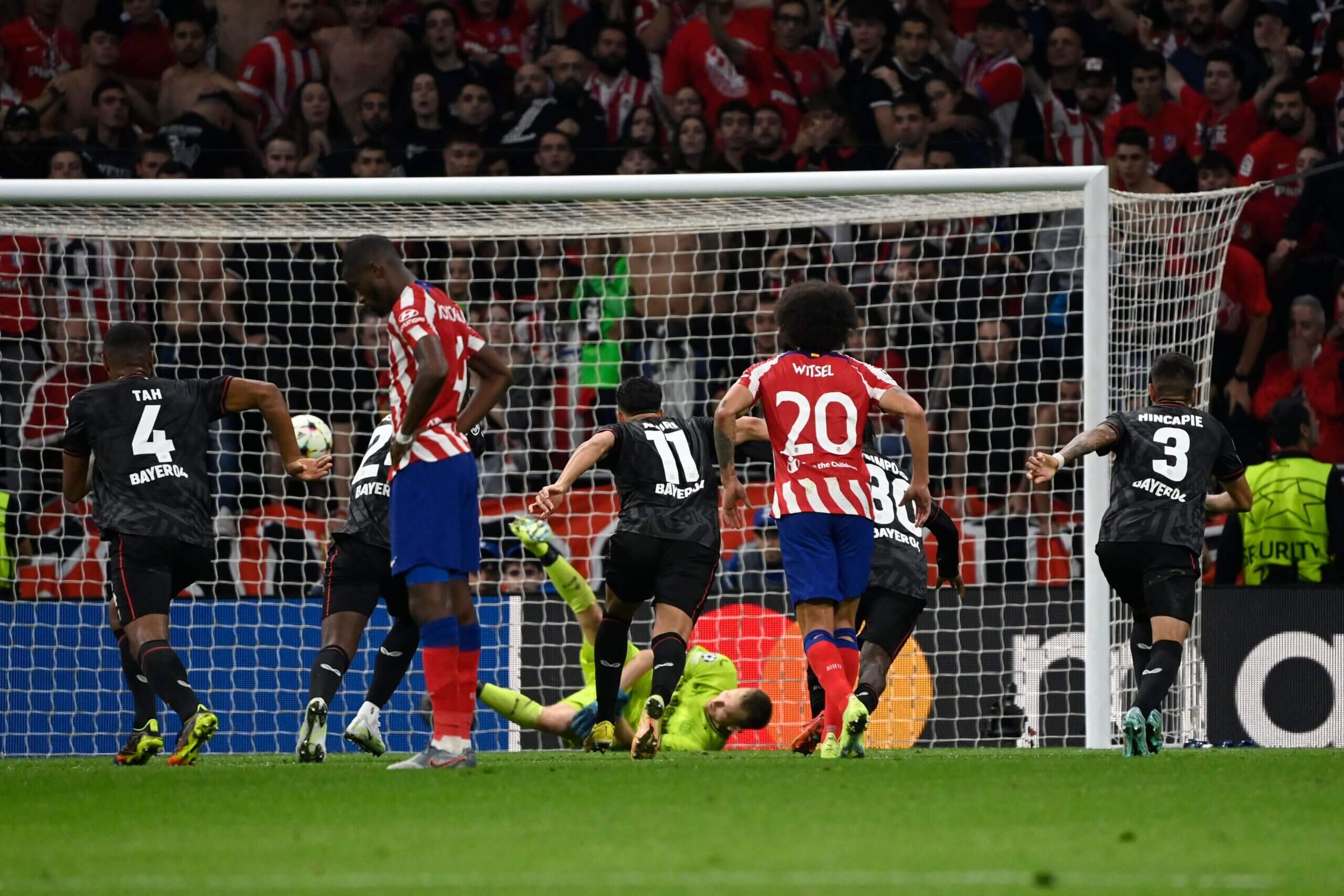
In La Liga, losing against the odds does not always mean losing matches. Some teams collect points regularly yet still fail to meet market expectations. This disconnect between results and pricing is where repeated losses against the line emerge. Understanding which teams underperform relative to odds requires separating match outcomes from market assumptions and examining the structural reasons expectations are set too high.
Contents
- 1 Market Expectations Often Outpace On-Pitch Reality
- 2 Possession-Dominant Teams Are Prone to Overpricing
- 3 Tactical Conservatism Limits Winning Margins
- 4 Fixture Context Is Ignored by the Market
- 5 Star Dependency Distorts Pricing Models
- 6 Comparing Odds Performance vs Match Results
- 7 Data Signals That Predict Line Underperformance
- 8 When These Teams Suddenly Cover the Line
- 9 Conditions That Reverse the Pattern
- 10 Summary
Market Expectations Often Outpace On-Pitch Reality
Teams that lose against the odds most frequently are usually priced aggressively. Their reputation, historical success, or perceived dominance inflates expectations beyond what their current structure can deliver.
The cause is narrative momentum. The outcome is handicaps that require margin rather than control. The impact is frequent failures to cover, even in matches the team technically “controls.”
Possession-Dominant Teams Are Prone to Overpricing
La Liga has several teams that dominate possession without translating it into decisive advantages. Markets often reward possession with shorter prices, assuming territorial control equals superiority.
In practice, sterile possession reduces volatility but also limits scoring separation. The result is narrow wins or draws that fail to justify aggressive handicaps. Over time, this structural inefficiency turns into consistent losses against the line.
Tactical Conservatism Limits Winning Margins
Some teams prioritize control and risk avoidance over attacking acceleration. This approach stabilizes league position but undermines betting expectations.
The cause is coaching philosophy. The outcome is late-game game management rather than expansion. The impact is repeated one-goal wins or stalemates that fall short of required margins.
Fixture Context Is Ignored by the Market
Odds often fail to fully account for situational factors that reduce performance ceilings. Teams navigating congested schedules or managing squad rotation rarely chase large margins.
Before outlining the most common situational traps, it is important to understand why these factors matter. They suppress intensity without necessarily increasing loss risk. The following conditions frequently coincide with poor performance against the odds:
- Matches following European competition
- Games before high-priority fixtures
- Away matches after extended travel
- Midweek fixtures with limited recovery
Interpreting these factors together explains why teams may remain competitive yet underperform expectations. The impact is structural under-delivery rather than surprise failure.
Star Dependency Distorts Pricing Models
Teams built around one or two headline players often attract optimistic pricing. Markets assume individual brilliance will compensate for structural weaknesses.
When those players are marked out of games or slightly below peak condition, the team’s attacking ceiling collapses. The outcome is functional but unconvincing performances that struggle to justify favorite status.
Comparing Odds Performance vs Match Results
Teams that “lose against the odds” are not necessarily bad teams. The difference lies in expectation management.
| Team Profile | Match Results | Odds Performance |
| Reputation-driven | Solid | Weak |
| Margin-focused | Variable | Strong |
| Control-oriented | Stable | Weak |
| Transition-based | Volatile | Mixed |
This comparison highlights why betting performance diverges from league tables. The market rewards narratives, not structures.
Data Signals That Predict Line Underperformance
From a data-driven betting perspective, repeated losses against the odds show up in advance if the right indicators are tracked.
When analysts review historical handicap coverage alongside chance creation metrics through a betting environment or football betting website, patterns become visible. In that process, references may include platforms such as UFABET, where odds history can be compared against expected goals, shot quality, and margin frequency. When a team consistently wins by one goal despite being priced for more, the issue is not variance but structural overvaluation.
When These Teams Suddenly Cover the Line
Even chronically overpriced teams occasionally outperform expectations.
Conditions That Reverse the Pattern
Undervalued opponents, tactical mismatches, or forced urgency late in the season can temporarily inflate margins. However, these spikes are situational and rarely persist once pricing adjusts.
Summary
La Liga teams that lose against the odds most frequently do so because market expectations exceed their structural capacity to create margins. Possession-heavy styles, conservative tactics, star dependency, and ignored fixture context all contribute to repeated line failures. Recognizing these patterns allows analysis to focus on expectation management rather than win–loss records, revealing why some teams remain poor betting propositions despite respectable league positions.